How to turn self-help books into real-life change

updated on Sep 29, 2026
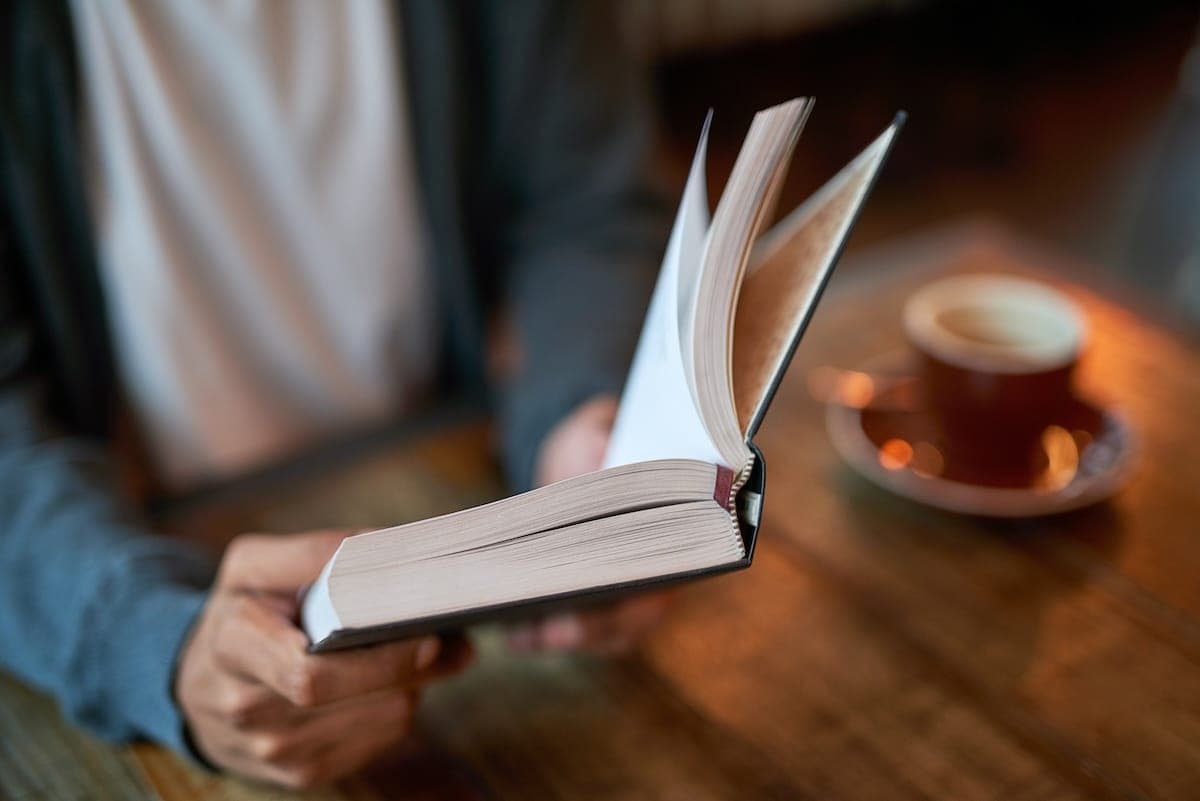
If your bedside table is stacked with half-finished self-help books, you’re not alone. Discover how to get more from what you read – without the pressure to follow every piece of advice
Who doesn’t love a good self-help book? Often filled with inspiring stories, practical advice, and gentle encouragement, they can inspire us to make positive changes. But if, like me, you start out with good intentions only to end up with a growing to-be-read pile or find yourself jumping from book to book without putting any of the advice into practice, it’s easy to miss out on what these books can really offer – and even come away feeling like you’re doing self-help ‘wrong’.
So, how can we get more from self-help books? We spoke to Better Read Book Fest founder and self-help author Gabrielle Treanor for her tips on turning inspiration into action.
Read with a clear intention
When you’re picking a self-help book, it can help to have a clear purpose in mind. Thinking about what you hope to gain can help shape how you read it. “Before you dive into a book, pause to consider why you’re reading this particular one,” says Gabrielle. “Is it pure curiosity? For education? To make changes, start new habits, take action? Is it because everyone else seems to be reading it so you think you ‘should’ too? Knowing why you’re reading a self-help book will guide whether, as well as how, you read it.”
Your reason doesn’t have to be profound, and it might even change as you read. What matters is giving yourself permission to read with purpose, rather than pressure or expectation.
Make the book your own
Reading doesn’t have to be a passive experience. In fact, making notes or highlighting passages can help the ideas stay with you long after you’ve turned the final page.
“As an author, I’m happy for my book to be a bit battered when a reader has finished it. Fold over page corners, scribble notes in the margins, highlight passages with a pen, add sticky notes – do whatever you need to the book to bring it to life for yourself,” Gabrielle says.
“Take notes in whatever form is of most use to you so that you can revisit them. This could be writing quotes or key points and sticking them around your home, dedicating a notebook to your reflections, or recording voice notes to yourself. There’s no right or wrong way to make notes; it’s whatever works for you.”
The goal isn’t to create perfect notes, but to create something that’s genuinely useful that you’ll actually come back to.
Put ideas into practice
Reading can inspire us, but real change comes from putting those ideas into practice.
“Be honest with yourself – if you read a self-help book without implementing what you’ve read, it’s very unlikely anything will change in your life.”
That said, not every suggestion has to be put into practice. Instead. Try picking one that resonates, and feels realistic and relevant to where you are in your life right now.
Adapt advice to fit your life
Self-help isn’t one-size-fits-all. While books can offer great guidance, remember: you’re the expert in your own life.
“Remember that while the book is (hopefully) well researched, the author isn’t perfect. They don’t know exactly how your brain works, what your life is like or what’s right for you,” says Gabrielle.
If you’re struggling to follow an author’s instructions verbatim, or that they don’t work with your brain, body, or circumstances, this is less about you failing and more about a practice in a particular form not suiting you.
“Rather than take the book’s suggestions as gospel that you have to follow to the letter, take them as inspiration for you to adapt,” suggests Gabrielle.
Try taking a step back and asking yourself whether the advice feels helpful, realistic, and right for you. If not? It’s OK to make changes – or to try something else!
Choose books that genuinely resonate
Not every self-help book will be the right fit, and that’s OK. Sometimes it’s the advice, sometimes it’s the writing style, and sometimes it’s simply a case of picking up the right book at the wrong time.
“If you don’t connect with a book, if you lose interest, it becomes a slog, and you dread picking it up to read – stop. You don’t have to finish every book you’ve started.”
Why not donate it to charity, swap it with a friend, or resell it online. Remember, putting a book down isn’t a sign that you’re giving up; it’s making space for one that better suits what you need right now.
The best self-help books leave us both inspired and encouraged to take ideas into everyday life. By reading with intention and adapting the advice to suit you, those moments of inspiration can become lasting change.



Find a professional today
Try our guided search tool, we can connect you with over 20,000 professionals.