How women are finding refuge in ancient traditions
updated on Oct 16, 2026
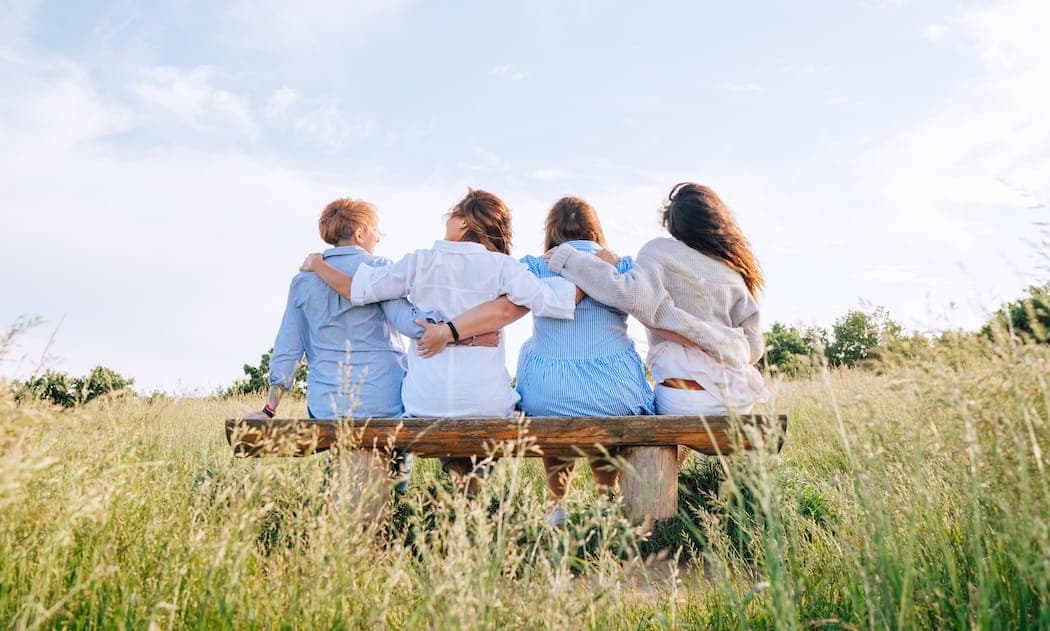
Can the ancient practice of sister circles help women reconnect with themselves? Dr Alison Smith shares how she created a space for women in medicine to heal and be heard
"I have been imagining and yearning for something like this, and it was just magic.” Naomi, a resident doctor, shared these words after her first circle. She had nearly not come. Everything that day had run over, and not much had gone right. She felt exhausted. She had talked herself out of it three times before she walked through the door. But she came, and by the end of the evening, she said she hadn’t known how much she had needed it.
I have heard versions of that sentence every time I have held a sister circle. And this is what I think it reveals: for many women doctors, placing ourselves last is not just a habit, it is our default setting. We postpone the nourishment and connection for later, for when things calm down, for when we have more time.
I know this because I needed it, too. Navigating a system I wasn’t prepared for as a junior doctor. Returning from maternity leave straight into GP life, and juggling work and family as a single parent. As a woman in medicine, where the insecurity seeps in gradually, through a thousand small moments of being talked over or simply not heard, eventually, we can start to question our own expertise. We’re trained to project total competence, therefore we keep carrying that burden in silence, insisting to the world that we are fine. But we need an antidote.
Sister circles, or women’s circles, have deep roots, dating back thousands of years. Consciousness-raising circles re-emerged in the 1960s and 70s, gaining momentum through the 1980s and 90s. Jean Shinoda Bolen’s 1999 book The Millionth Circle: How to Change Ourselves and the World championed circle work as a catalyst for both personal and social transformation.

Today, you can often find women’s circles on offer in local wellness spaces, the trend growing as people, once again, turn to community to combat modern isolation. According to data from the Campaign to End Loneliness, 3.83 million people in the UK are now chronically lonely. And The Burnout Report from Mental Health UK found that 91% of UK adults experienced high or extreme stress in the past year, with women again reporting higher rates than men. Perhaps this is why so many people are now feeling drawn to take part in community spaces.
I still remember my first circle when the facade of ‘I’m fine’ began to fall away. The shame I had been carrying began to loosen its grip, and the feeling of being alone started to lift. I left a little more like myself. To share without interruption, advice, or opinion, and to listen to other women speak openly about their own inner worlds was remarkable. The experience stayed with me. I deepened my practice, gained accreditation in circle facilitation, and eventually created a sister circle for women working in medicine.
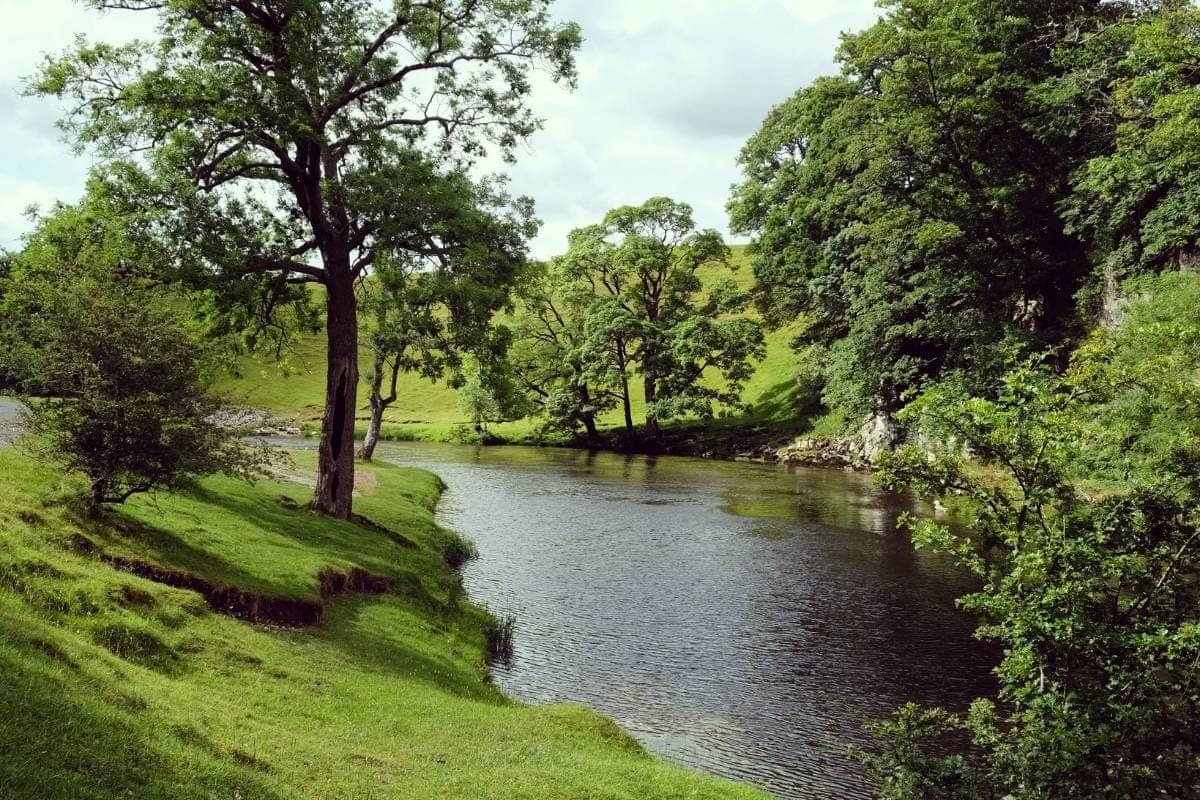
Finding the right environment took time. I knew what it had to be, a place rooted in nature, with a simplicity and beauty that speaks for itself. A setting beside the River Wharfe in Burnsall, North Yorkshire, turned out to be exactly that. Windows opening directly onto the river, the fells rising behind. Rooted and restorative.
It communicates; “You are welcome. You can begin to feel held.”
Stepping into candlelight, you’ll find a centrepiece of seasonal flowers and foliage, cushions arranged so that every face is visible to every other. In winter, a log burner crackles. In the warmer months, there is birdsong and fading light. As we sink into the stillness, you can feel it – something has already shifted. There might be a seasonal reflection, a poem, or simply an invitation to share your thoughts. All is met with the silence of recognition, the smiles and nods, the hands on hearts.
Recently, I read out a poem by Emory Hall, ‘I have been a thousand different women’, and asked: At which version of yourself would you like to lay flowers? Aisha, a GP, shared:
“It was striking to notice immediately which version of myself came to mind, and to realise how much I had neglected and forgotten her. I arrived carrying uncertainty and left with direction. Not a formula to help me conquer the world, but a clearer sense of how to live life more fully, and how to find peace and growth in the ordinary, everyday moments.”
It sounds so simple, yet when we are truly listened to, the isolation so many of us carry begins to lift.
Women who come to circle tell me often, that they had forgotten what it felt like to simply speak and be received. That a single evening gave them something they hadn’t known they were missing, not just from sharing their own story, but from listening to others. It’s a reminder of who they are beyond the roles they carry.
This is not only a story about doctors. It is a story about what happens to women when life moves so fast, and is so full of noise and opinion and demand, that we lose ourselves. Sister circles are for any woman who recognises that feeling. Who has been yearning, without quite naming it, for a space where she can simply arrive. And remember, in the company of other women, who she is.
Dr Alison Smith is a former NHS GP and founder of Florescence: A Sister Circle for Women in Medicine and Earth and Bloom, visit earthandbloom.uk for more.



Find a professional today
Try our guided search tool, we can connect you with over 20,000 professionals.