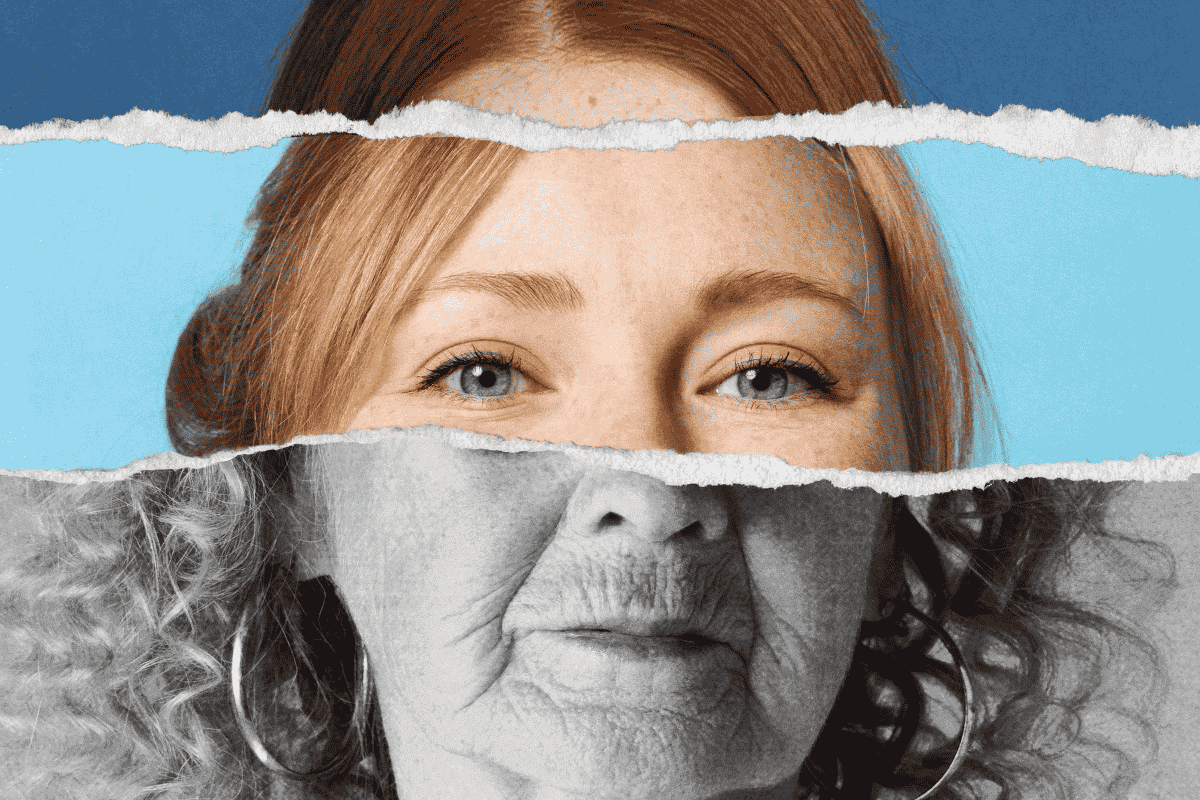
An indigenous philosophy asks us to consider how today’s decisions could affect generations yet to be born, and what its emphasis on long-term thinking might inspire in our own lives
It’s strange to think of yourself as someone’s future ancestor. After all, we tend to imagine ancestors as people in sepia-stained photographs, not ourselves scrolling through our phones, walking the dog, and wondering what to make for dinner. And yet, one day in the future, that’s exactly what we will be.
So, what might change if we started living with that knowledge in the present? That’s what the seventh generation principle asks us to do. It’s a philosophy that comes from the Haudenosaunee Confederacy (also known as the Iroquois Confederacy or the League of Five Nations) of northeastern North America.
The first written form of the principle can be traced back to the Great Law of Peace, with some estimates placing its origin between 1142 and 1500 CE. At its core, the seven generation principle teaches that the decisions we make today should create a sustainable world for the seven generations that follow.
The idea is that, in their decision-making, chiefs will consider how present-day decisions impact descendants, and nations are taught to respect the world in which they live. It’s a concept often referred to as ‘intergenerational stewardship’ and one that’s being increasingly discussed in a variety of new contexts and communities.
While the seven generation principle belongs to a specific Haudenosaunee cultural and political tradition, its emphasis on thinking beyond the present can inspire us to consider the longer-term consequences of the decisions we make in our own lives and communities.
Forward-thinking leaders can use this approach to consider the needs of generations yet to be born. When communities face difficult choices, looking beyond immediate needs can help broaden the conversation to ask what kind of future we are creating, and who will inherit it.
It might seem impossible to imagine a world where the seventh generation principle could be a value upheld consistently through individuals as well as organisations. But that’s exactly what the principle asks us to do – plan a brighter future and make decisions to bring it to fruition.
So what might that look like in real life?
Respecting the land
While not everyone has access to a private garden, there are lots of ways that you can improve your local biodiversity for future generations. Plant native species where you can, set up nesting boxes for birds, and allow grass to grow wild by limiting lawn mowing. One simple swap is to skip the use of pesticides and synthetic fertilisers to keep the local soil and water clean.
“The true meaning of life is to plant trees, under whose shade you do not expect to sit,” said Nelson Henderson. So why not plant the seed? If you’re part of a school, football club, faith group, or other community organisation, you can apply to The Woodland Trust as part of their free trees campaign. The aim is to encourage more wildlife through the food and shelter trees provide, as well as boosting our physical and mental health and helping fight climate change.

Interrupting generational cycles
Aside from the physical imprint we leave on the planet, we all leave a legacy in the ideas we act on, the causes we support, and the thought patterns we repeat. Within families, this might mean renegotiating our own beliefs and letting go of ones we don’t want to pass on to future generations. It’s not just about future thinking, though – when we model kindness, consent, gratitude, and respect for difference for the children in our lives, we can begin to lay different foundations for the future.
We place ourselves as the ancestors who laid the foundations in the present moment.
Building foundations for connections
The philosophy can apply to our communities too. When we support accessible housing, protest to keep our libraries, volunteer in local services, and advocate for accessible spaces, we help to create strong and welcoming neighbourhoods for those who follow. For you this might look like sharing your skills at a repair café, writing to your MP, or starting a local arts and crafts group.
Leaving your legacy
Speaking of creative work – not only can this provide joy and self-expression in the here and now, but it has a ripple effect through time. The poems, photographs, recipes, paintings, and stories we make are artefacts that future generations can refer to. A way to preserve experiences that might otherwise disappear into the ether. What can you capture in your art about your life that might inform others? What lessons or wisdom would you like to pass on?
Personally, I love this quote from installation artist Josh Kline, whose collections comment on how modern technology affects human lives: “My work is a form of speculation about where we might go – as individuals, as a society, as a species. And at the core of [my art] is a series of questions: is this the future we want to live in? If not, what kind of future do we want to live in?”
And, paradoxically, thinking about the people from the future that we might never meet brings us closer to the present moment.
It asks that before making a decision, we pause and consider the world outside of ourselves, asking: who could inherit the consequences of my choices? What am I helping to normalise? Does this care only for the present, or leave some possibility for the future?
Of course, we can never predict what life will look like seven generations down the line, and we can never really know for sure how our choices will impact our communities after we’re gone. But if enough individuals choose to collectively usher us forward with this deep sense of responsibility, who knows what could be possible?



Find a professional today
Try our guided search tool, we can connect you with over 20,000 professionals.