Climate cafés: A welcoming space for eco-anxiety

updated on Aug 16, 2026

As climate anxiety becomes harder to ignore, climate cafés are offering a space to talk openly about fear, grief, and hope for the future
In cafés, libraries, and community halls across the country, people are gathering to talk about climate change. But there are no lectures, debates, or demands for solutions. Instead, ‘climate cafés’ offer a welcoming space to chat honestly with people who understand the emotional weight of living through the current crisis.
Their global rise in popularity reflects how immediate climate change can feel in everyday life. Whether it’s questioning how often to fly, worrying about your child’s future, or releasing the guilt about getting things ‘right’ – many people are burdened with anxieties that rarely get addressed in conversation.
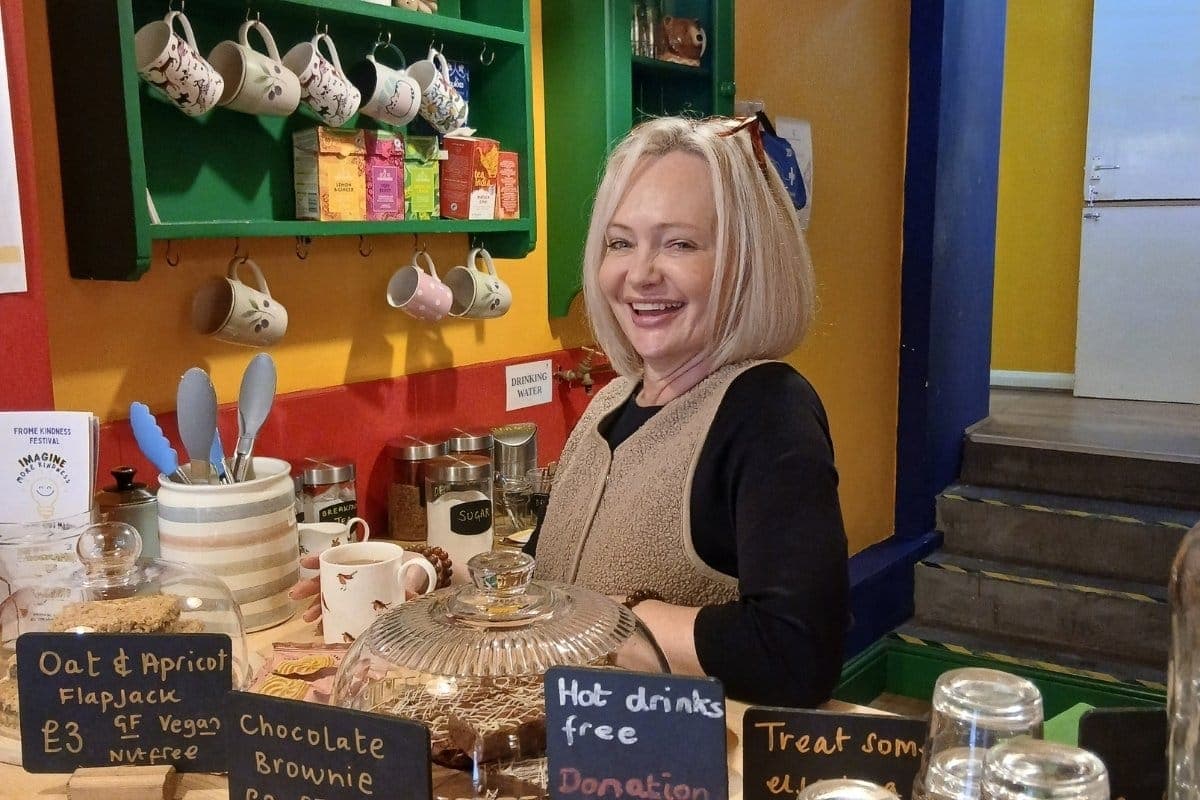
Climate cafés fill that gap by offering friendly support in a community setting. I spoke to counsellor Sharon Michelle, who has been hosting climate cafés in her local area after a lifetime of passion for the subject. She tells me that she welcomes the open conversations, especially after many years of feeling unable to do so publicly: “Often, in the past, when I did share my thoughts, my feelings were dismissed or ridiculed,” says Sharon. “I didn’t hold views or experiences that many people wanted to hear about, so generally I kept my feelings to myself.”
However, over the last decade, climate change has become a common topic of conversation on the news, as well as in films and TV. “This shift is why I started up a climate change café, to provide a space for others to speak freely, and connect with others who feel similarly – which is helpful and reassuring.”
What is eco anxiety?
More than anxiety, people who suffer eco or climate anxiety experience a constellation of emotions, including fear, anger, exhaustion, powerlessness, feelings of loss, helplessness, and even phobias and despair.
Recent research has identified climate cafés as a promising tool for addressing the mental and emotional component that humans experience as a result of climate change, an approach that has been inspired by the work of Jess Pepper. Back in 2015, she invited community members in Dunkeld, Scotland, to take part in climate conversations. Influenced by the concept of ‘death cafés’ (a structured, non-therapeutic gathering where people come together to discuss death and dying openly), climate cafés were developed to provide a similar space for people to share their thoughts and feelings about the climate crisis.
Of course, that doesn’t mean that conversations around this topic are easy. Plus, plucking up the courage to talk to strangers about such a big issue can be a source of anxiety in itself.
A space to be seen and heard
While climate cafés may help people feel less alone, a 2021 review published in The International Journal of Environmental Research and Public Health found that no single approach can fully address the psychological toll of climate change. The research suggests a range of mental wellbeing interventions that can help, including building emotional resilience, strengthening social connections, encouraging meaningful action, supporting practitioners, and helping people reconnect with nature.

Climate cafés sit within that wider landscape, offering a place for people to be heard, often for the first time. “People can be a little nervous coming to their first climate café [...] but being in a place where you are encouraged to talk freely, to be accepted without judgement, and where your views and experience are taken seriously can be a very positive thing,” says Sharon.
While research into the efficacy and most effective format for climate cafés is limited, Sharon has found that having an emotional outlet has a positive outcome. “People who attend find that they are not alone in how they are feeling,” she explains. And with climate change accelerating even faster than experts originally predicted, these spaces can act as a form of validation for the anger and worry rippling through our communities.
“Feeling anxious about the changing climate is completely normal,” says Sharon. “Feeling concerned that it seems ‘not enough’ is being done is a very normal response to the scale of the problems and the realities we are facing.”
Social support and meaningful action
Climate cafés are only one form of support, but their social element can be deeply valuable. “It can surprise people when they attend that there can be moments of humour,” notes Sharon. “There are many different ways that people learn to cope with how they feel about climate change.”
And sharing what works with people who are also struggling is a form of community care that not only helps soothe the symptoms, but can offer a route to collective action. “Some [people] have taken action such as helping to build pollinator corridors, many have helped others by sharing ways to talk to someone whose views they find challenging, or sharing different strategies of coping, or by meeting up outside of the café supporting each other’s events,” says Sharon.
Climate cafés can’t solve the climate crisis through conversation alone. But by helping people process fear collectively – rather than privately – they may make the future feel a little less overwhelming.



Find a professional today
Try our guided search tool, we can connect you with over 20,000 professionals.